Want to start a drone show company but feel lost? The tech, costs, and rules are daunting. Here's a clear path to get you started on your journey.
To start a drone light show company, you should first create a solid business plan. Then, secure funding for high-quality drones and software. You also need to understand the right aviation licenses, operational approvals, and insurance requirements. Finally, build a skilled team to design and fly the shows safely.
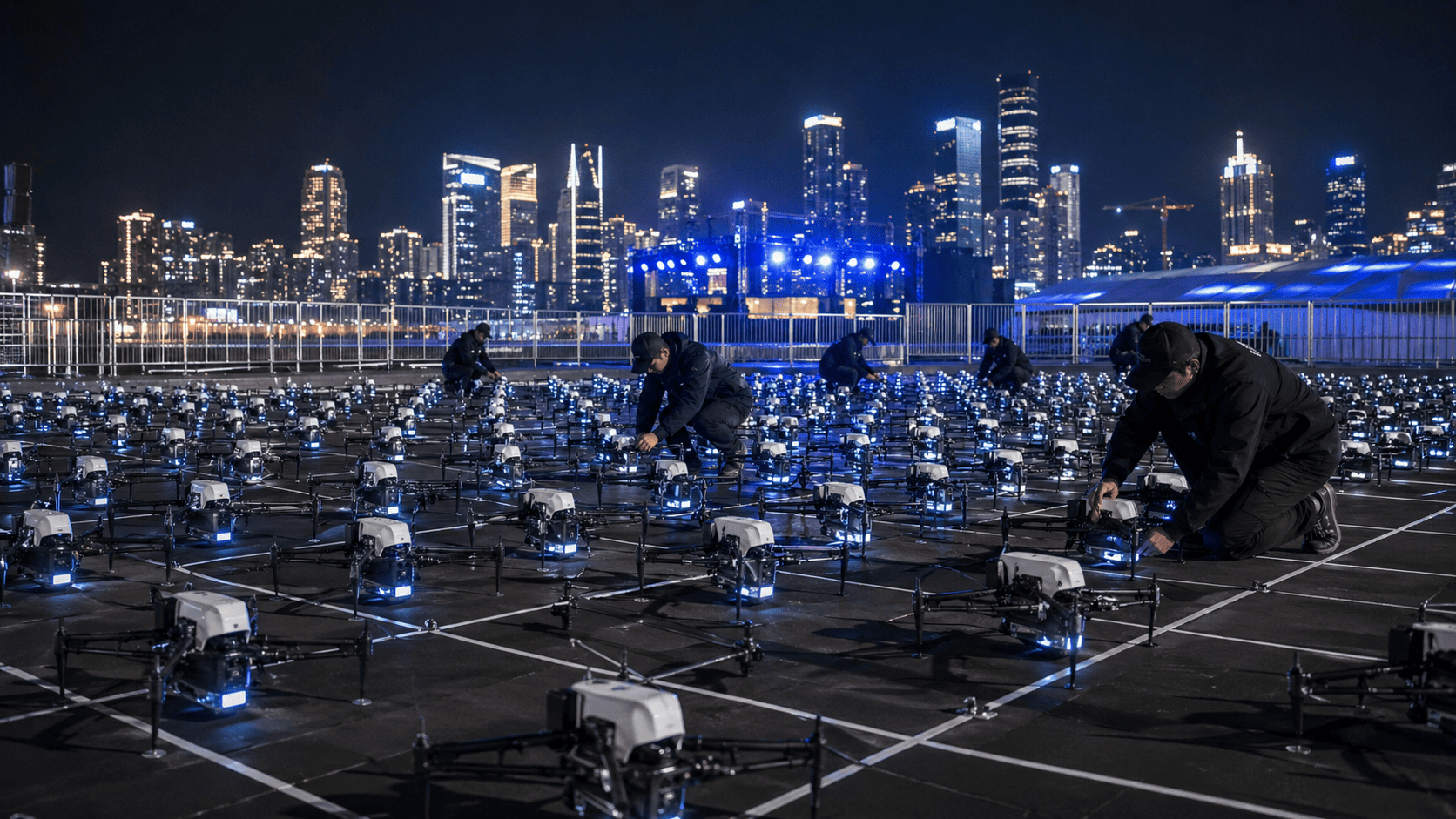
That's the big picture, but the real work is in the details. I remember when we first started our manufacturing journey, every step felt like a huge mountain to climb. But breaking it down into smaller, manageable pieces is the key. It turns an overwhelming dream into an achievable plan. So, let's dive into the specifics of what you really need to consider, starting with the most important part: the equipment.
What equipment do I really need to get started?
Worried about buying the wrong gear? Choosing drones and software feels like a huge, expensive gamble. Let me show you what truly matters for a successful and safe start.
You need a fleet of specialized performance drones, a robust control system with ground station software, and reliable RTK positioning hardware. Don't forget charging systems and secure transport cases. These core components are the foundation of your entire operation and must be reliable.
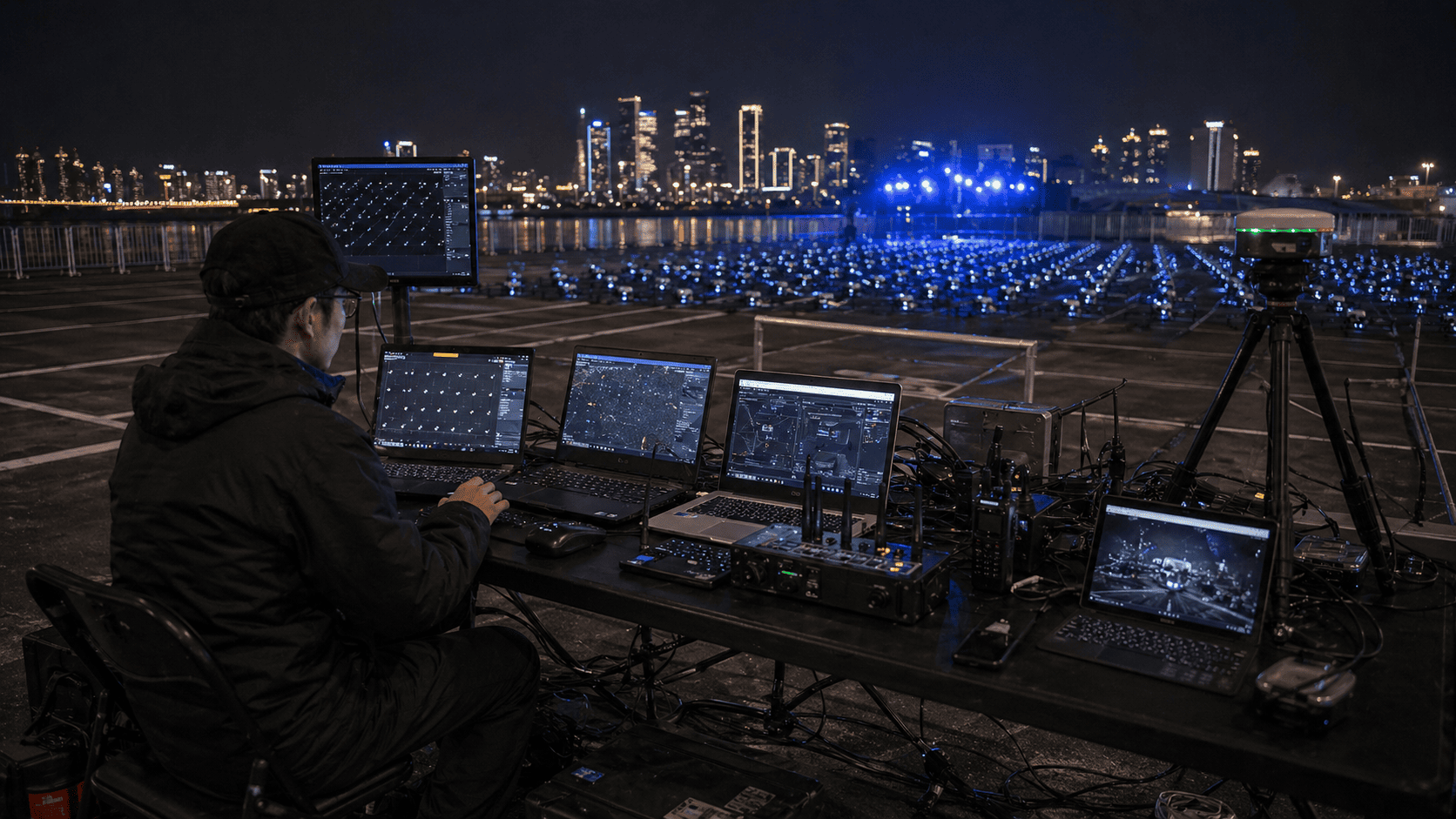
Based on my years of experience helping new companies get set up, the equipment you choose will define your capabilities and your reputation. It's not just about having drones; it's about having a complete, reliable system.
The Drones Themselves
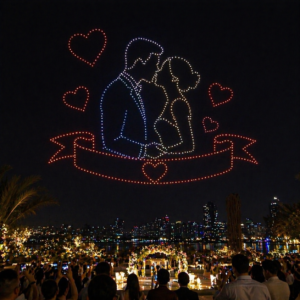
First, understand that show drones are not the same as camera drones.1 They are built for one purpose: to be a stable, bright pixel in the sky. A drone light show depends on synchronized UAV movement, precise waypoint allocation, and coordinated formations, which is why the drone system must be designed around stability, positioning, lighting, and fleet-level control. Research on swarm drone light show waypoint assignment shows that drone light shows require allocating waypoints to each drone for every formation, and that design complexity increases as the number of drones grows.
When you look for drones, focus on key features. You need excellent RTK-GPS positioning for high-accuracy flight positioning, which helps create sharper and more stable formations. The LEDs must be bright enough for outdoor viewing conditions.2 Flight time is also critical.3 In practical operations, many companies prefer drones that can fly long enough to allow for pre-flight checks, takeoff, the performance itself, and safe landing. Safety features like redundant sensors, geofencing, and reliable return-to-home functions are not optional in professional operations; they are essential for protecting your investment and the public.4
The Control System
Your control system is the brain of the operation. This consists of the ground station computer and the software used to design and execute the show. Good choreography software should help you create formations, assign flight paths, simulate movements, and reduce the risk of route conflicts. Academic research on drone light show trajectory planning highlights that drone light shows require assigning drones to visual waypoints and generating safe transitions between formations.
The flight control software is even more important. It needs to provide real-time monitoring of every single drone, including battery levels, GPS status, and position. This is not just a convenience; it is part of safety management. The FAA notes that waivers for operation of multiple small UAS may authorize one pilot to operate multiple aircraft when automation and monitoring systems mitigate risk and ensure safety. I've seen too many new companies fail because their control system was not robust, leading to show-stopping glitches. A solid radio link between the ground station and the drones is the backbone of this system.5
Essential Accessories
Finally, don't overlook the accessories that support the whole operation. These are just as crucial as the drones.
| Accessory | Purpose | Why It's Crucial |
|---|---|---|
| Multi-Chargers | To charge hundreds of batteries efficiently. | Minimizes downtime between shows and keeps your workflow smooth. |
| RTK Base Station | Provides correction data for precise positioning. | Helps enable tight, complex formations instead of blurry shapes. |
| Transport Cases | To protect your expensive drone fleet during travel. | Prevents costly damage and ensures your fleet arrives safely at the show site. |
| Anemometer6 | To measure wind speed on-site. | A critical safety tool for making the final go/no-go decision before a show. |
How much does it cost to start a drone show company?
Scared by the potential startup costs? The numbers can seem astronomical, making you question if it's even possible. Let's break down the real costs you can expect.
A basic starter fleet of 100 drones can cost between $50,000 to $150,0007, depending on the drone model, control system, software package, batteries, chargers, and support equipment. Additional costs include insurance, licensing, training, transportation, spare parts, and marketing. For a professional setup, many new operators should prepare for a six-figure starting budget.8
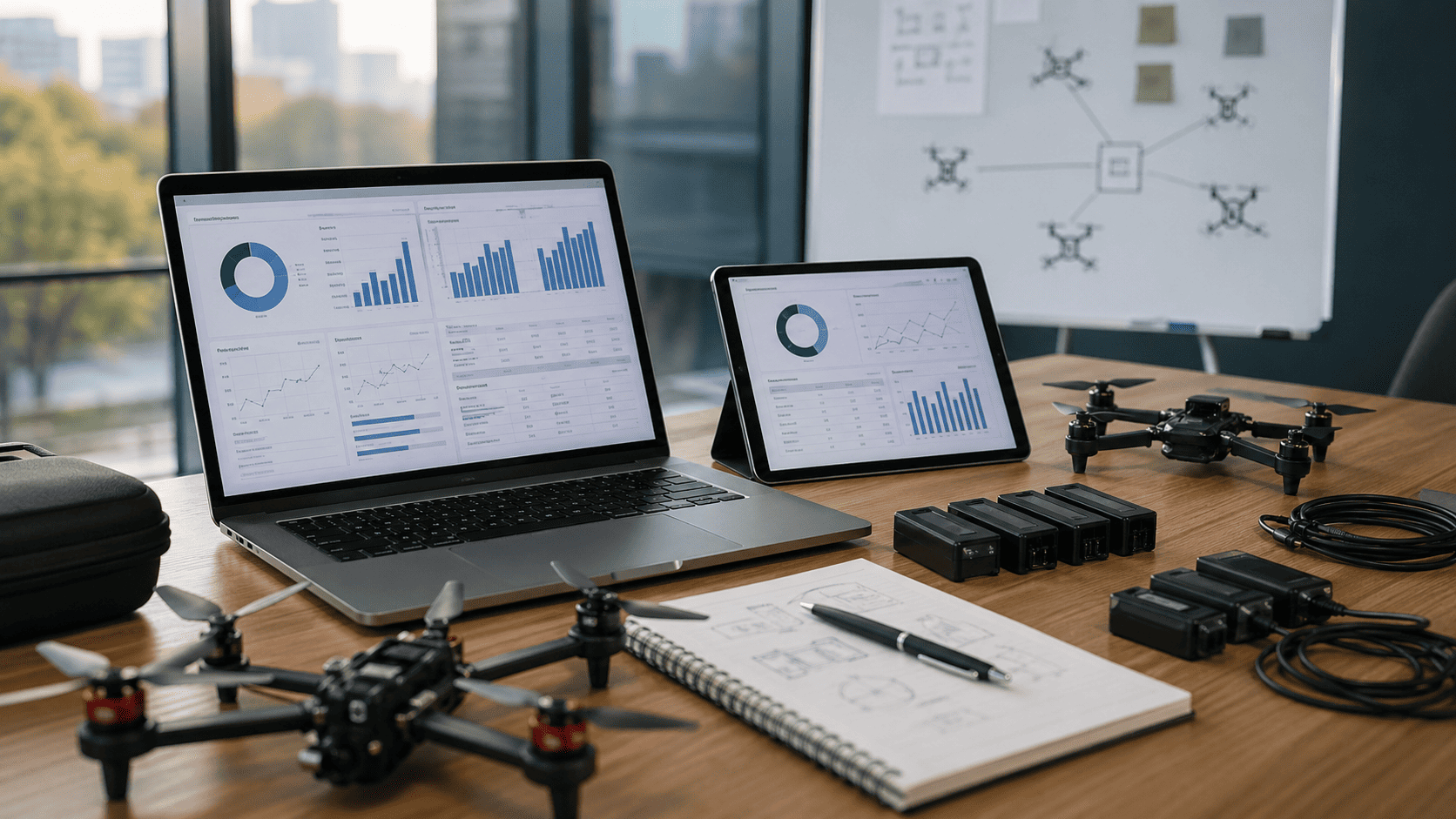
Understanding the full financial picture is the first step in building a sustainable business. The price of the drones is just the beginning. Publicly available pricing for finished drone show services can help you understand the market scale: one industry pricing guide reports that smaller 100-drone shows may cost around $20,000-$30,000, medium 300-drone shows around $60,000-$90,000, and large 500+ drone shows $100,000-$200,000+. These event prices often include design, animation, approvals, and onsite operations, not only hardware. You can review this external reference here: drone light show cost breakdown.
I always advise new clients to budget for the entire ecosystem, not just the hardware.
The Hardware Investment
The biggest line item will be your drone fleet. A professional show drone can cost anywhere from hundreds to over a thousand dollars per unit9, depending on its features, LED system, positioning accuracy, communication system, battery quality, and software compatibility. For a starter fleet of 100 drones, you are likely looking at a significant initial investment. On top of that, you need the ground control station, the RTK base station, high-capacity chargers, batteries, spare parts, and durable transport cases. Choosing a reliable manufacturer who offers a complete package can often provide better value and ensure all components work together seamlessly from day one.
The "Soft" Costs
These are the expenses that are easy to forget but can quickly add up. Public liability insurance for an aviation-related business is strongly recommended and may be required by venues, enterprise clients, or local authorities.10 You'll also have costs for business registration and legal consultations. Then there are the fees for getting your pilots certified and for applying for special aviation waivers or operational approvals required for certain drone show scenarios. Finally, don't forget software. Advanced choreography and flight management software suites may come with annual license fees that must be factored into your operating budget.
The broader market is also becoming more competitive. According to a drone light show market report, the global drone light show market was estimated at USD 1.56 billion in 2024 and is projected to grow strongly through 2033, driven by demand for innovative entertainment, marketing events, and alternatives to traditional fireworks. That growth is encouraging, but it also means new companies need strong execution, safety, and sales capabilities to compete.
Ongoing Operational Expenses
Your spending doesn't stop after the initial purchase. You need a budget for ongoing operations to keep your business running and growing.
| Expense Category | Estimated Annual Cost | Notes |
|---|---|---|
| Insurance | Varies widely | Depends on country, coverage limits, fleet size, venue requirements, and risk profile. |
| Maintenance & Spares | Varies by fleet size | You will need to replace propellers, batteries, LEDs, motors, landing gear, and other parts. |
| Software Fees | Depends on provider | Some systems use one-time licenses, while others use annual or project-based fees. |
| Marketing & Sales | Depends on strategy | This includes your website, showreel, local outreach, advertising, and partnerships with event planners. |
What licenses and regulations do I need to follow?
Confused by all the legal jargon and regulations? Flying hundreds of drones at night is a regulatory maze. I'll clarify the essential licenses and permissions you can't ignore.
In the United States, pilots operating under the FAA Small UAS Rule need a Part 107 Remote Pilot Certificate. More importantly, drone show operators must understand which operations require additional waivers, authorizations, or compliance conditions, especially when flying multiple drones, operating at night, or flying near people.
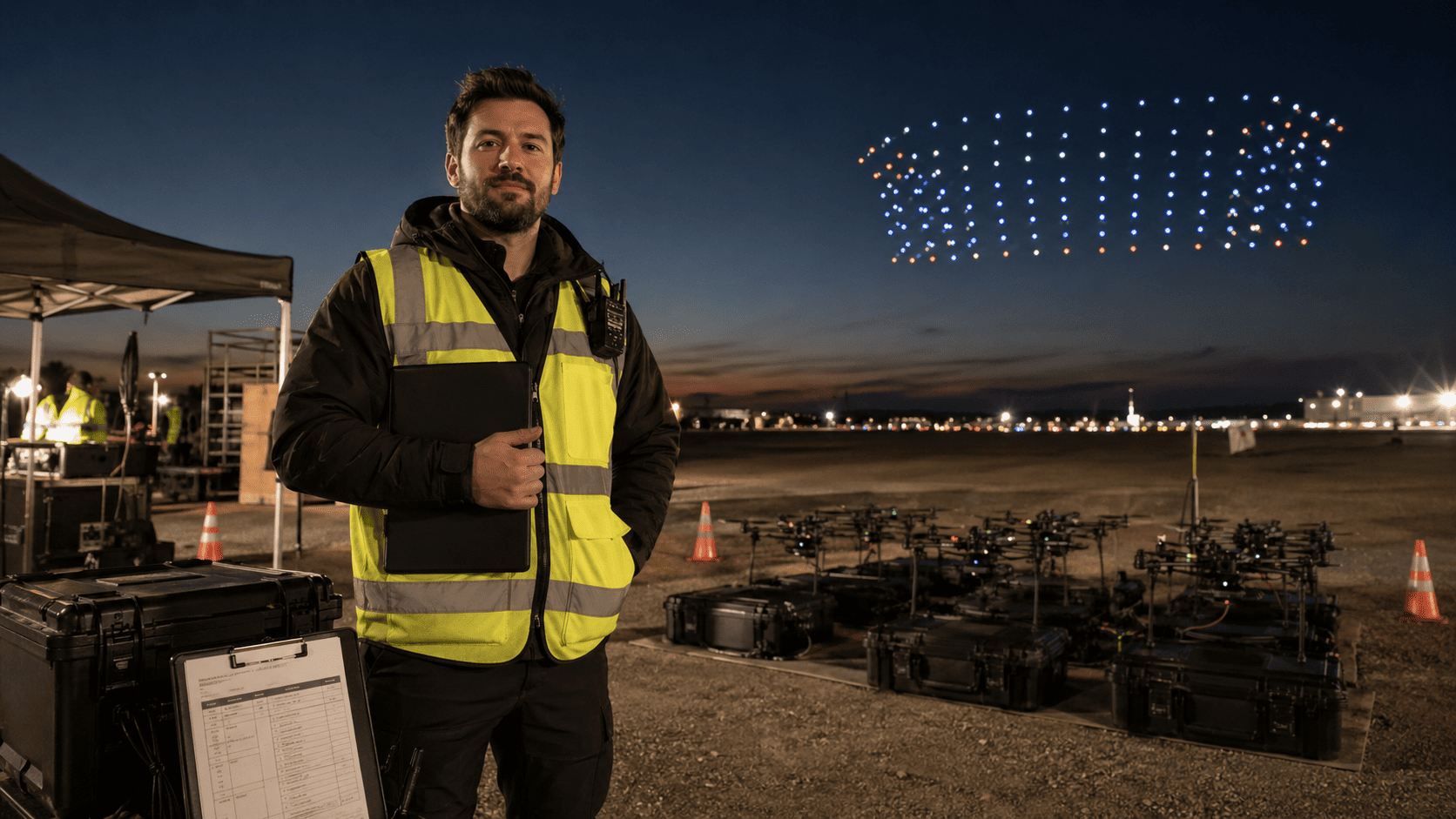
Navigating the legal requirements is one of the biggest hurdles for any new drone show company. This is where professionalism and attention to detail really matter. You are not just flying drones; you are operating aircraft in national airspace.
Pilot Certification
The first step is getting your team certified. In the United States, this means your pilots must have a Part 107 Remote Pilot Certificate from the FAA. Most countries have similar requirements for commercial drone operations.11 This license covers the basics of airspace rules, weather, and safe operations. However, this is just the entry ticket. A standard commercial drone pilot certificate does not automatically cover every drone show scenario. For many advanced operations, you need to meet additional regulatory conditions or obtain special approvals.
The Crucial Waivers and Authorizations
Standard drone rules are designed mainly around controlled, safe small UAS operations. A drone show may involve multiple aircraft, night operations, complex choreography, and strict audience safety requirements. That is why you must check what your aviation authority requires before accepting any project.
The most important regulatory areas include:
- One Pilot, Multiple Drones: Under FAA Part 107, operation of multiple small UAS is a specific waiver category. The FAA explains that a waiver may authorize one pilot to operate multiple small UAS for applications such as drone light shows when automation and monitoring systems mitigate risk and ensure safety.
- Night Operations: The FAA allows routine small UAS operations at night under specific conditions, including updated training and anti-collision lighting visible for at least three statute miles. You can review the FAA guidance on operations at night.
- Flying Over People: Operations over people are highly sensitive. The FAA has specific categories and restrictions for operations over people, and the operator must ensure the aircraft does not create undue hazard to people, property, or other aircraft.
Flying over people is one of the most demanding areas of drone show compliance. It may require a detailed safety case, operational containment, emergency procedures, and proof that your system can reduce risk to the audience below. It is a huge task, but it is what separates professionals from amateurs.
Local and Insurance Requirements
Beyond the national aviation authority, you also have to deal with local rules. This can include getting event permits from the city, fire department approval, venue permission, and coordination with local law enforcement.12 Your insurance provider, venue, or enterprise client may also request a detailed Standard Operating Procedure (SOP) manual that covers every aspect of your operation, from pre-flight checklists to emergency response plans. This documentation is your key to getting insured, approved, and trusted for professional shows.
Conclusion
Starting a drone show company is a big undertaking, but it is not impossible. Focus on quality gear, realistic budgeting, strong software, trained people, and regulatory compliance. The companies that survive are not the ones that only buy drones; they are the ones that build safe, repeatable, and professional show operations.
A technical paper or institutional overview can support that drone-show aircraft are purpose-built for coordinated swarm display operations rather than photography. ↩
A lighting, display-visibility, or drone-show technical source can substantiate the need for bright LEDs in outdoor aerial performances. ↩
A regulator or aviation safety source can support that battery condition, endurance, and reserve planning are core safety factors for drone operations. ↩
Regulatory or safety-standard sources can show that these functions are recognized risk mitigations in professional UAS operations. ↩
FAA, NASA, or academic UAS communications sources can support the importance of reliable ground-to-aircraft links and lost-link procedures. ↩
A regulator or aviation safety guide can confirm that wind and weather assessment is part of safe UAS pre-flight decision-making. ↩
A transparent pricing analysis or public procurement/market source can corroborate the estimated startup hardware range. ↩
A reputable business or market source can support that professional drone-show entry costs commonly reach six figures. ↩
Public pricing, procurement documents, or neutral market summaries can substantiate the per-drone cost range. ↩
A civil aviation authority or insurance guidance source can support why commercial drone operators commonly need liability coverage and proof of insurance. ↩
ICAO, EASA, or national aviation authority materials can support that commercial drone operations are regulated internationally, though requirements differ. ↩
Municipal event-permit or public-safety guidance can verify that local permissions and coordination are often required for public drone shows. ↩